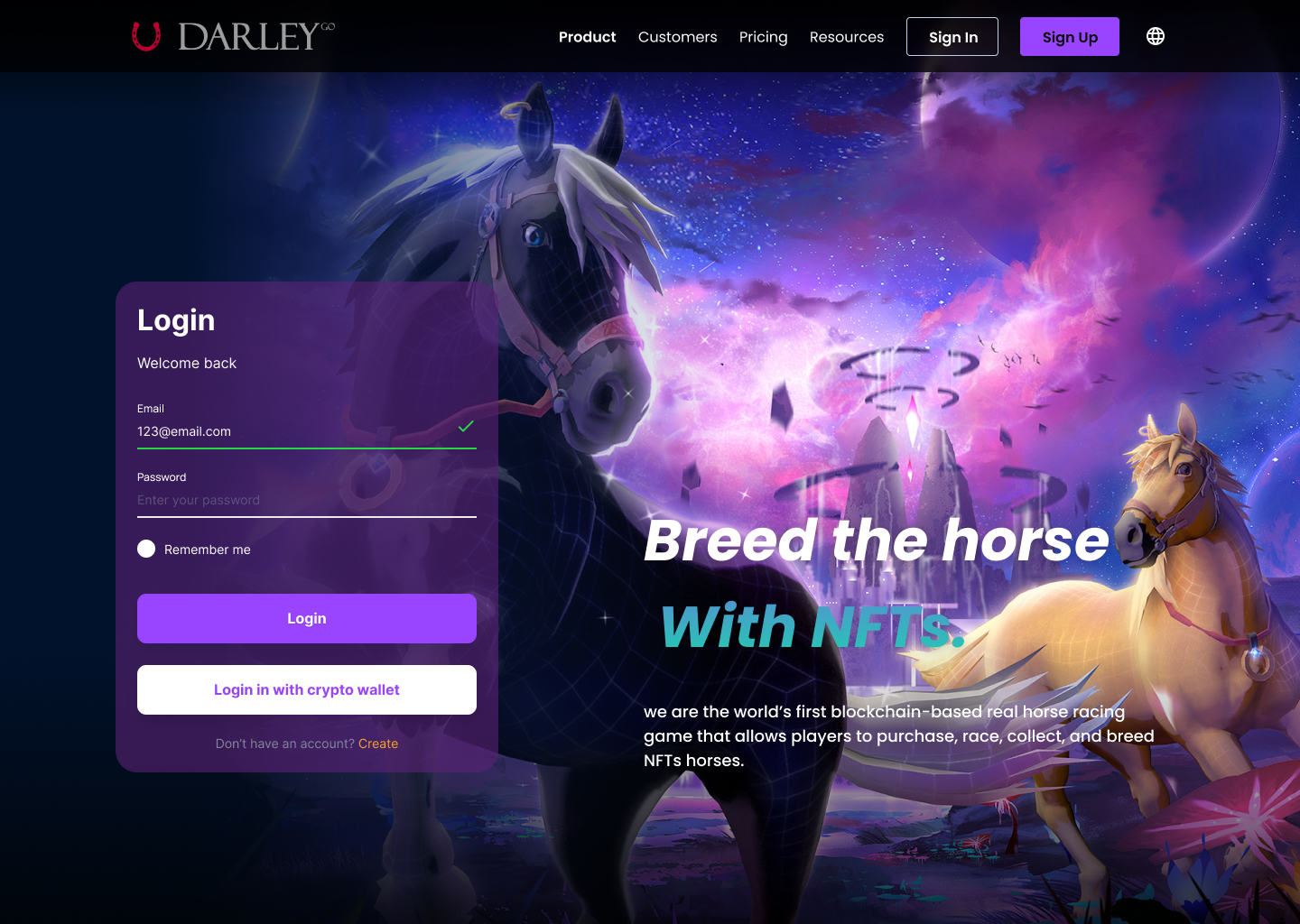
Designed the UX/UI for DarleyGo, a myth-based NFT horse racing game on Solana, delivered as a responsive web experience.
The design supports free-to-play entry while enabling in-game purchases and money flows that require a crypto wallet connection for top-up/withdraw actions.
DarleyGo allows players to train, race, breed, and collect NFT horses with unique attributes and abilities.
The core challenge was reducing Web3 friction (wallet + transaction steps) while keeping gameplay flows fast and understandable for non-crypto users.
Deliverables: Product design, sitemap, user flow, key screens for game loops and marketplace.
Analyzed leading GameFi titles (Zed Run, Axie Infinity) and identified two key user types with conflicting needs:

Wallet-gated transactions (keep play accessible)
Designed a flow that introduces wallet connection when users take high-intent economy actions such as purchasing NFTs or moving funds, rather than blocking exploration upfront. [file:19]
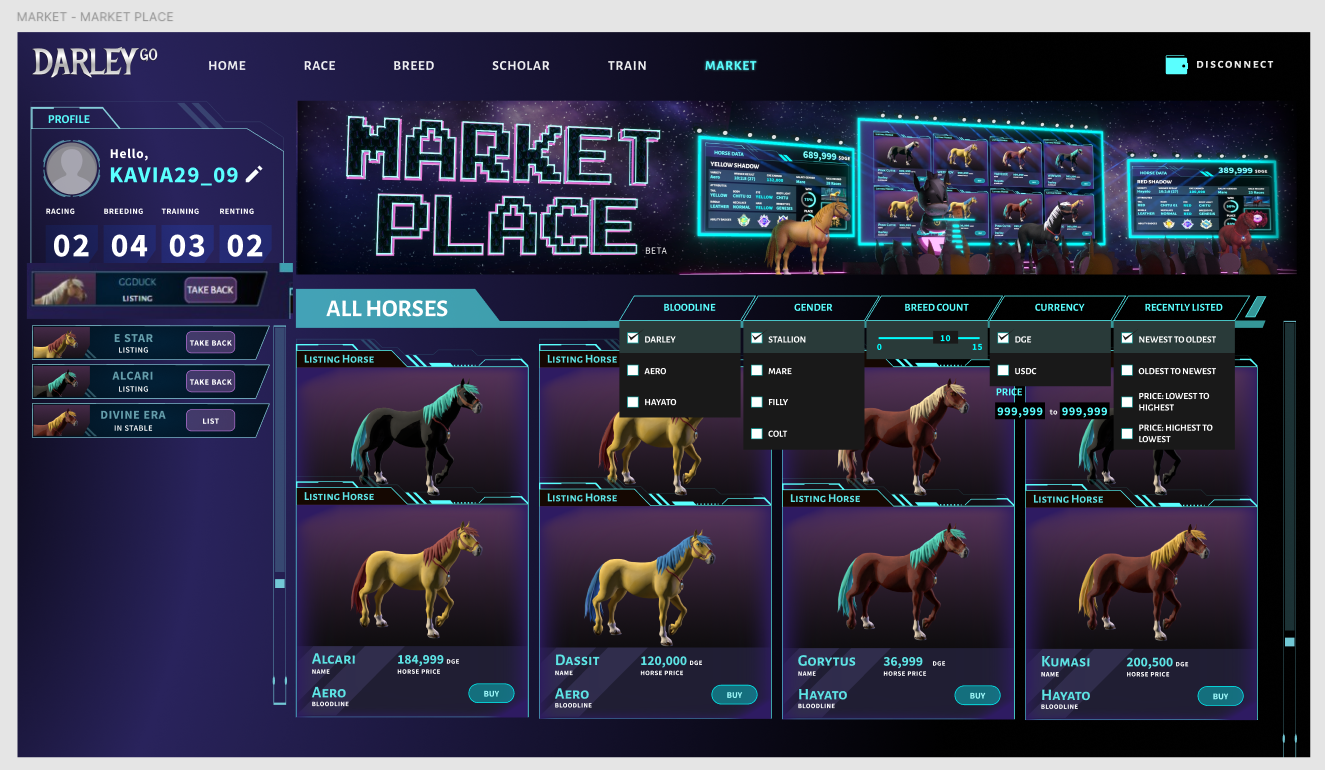
Marketplace clarity for decision-making
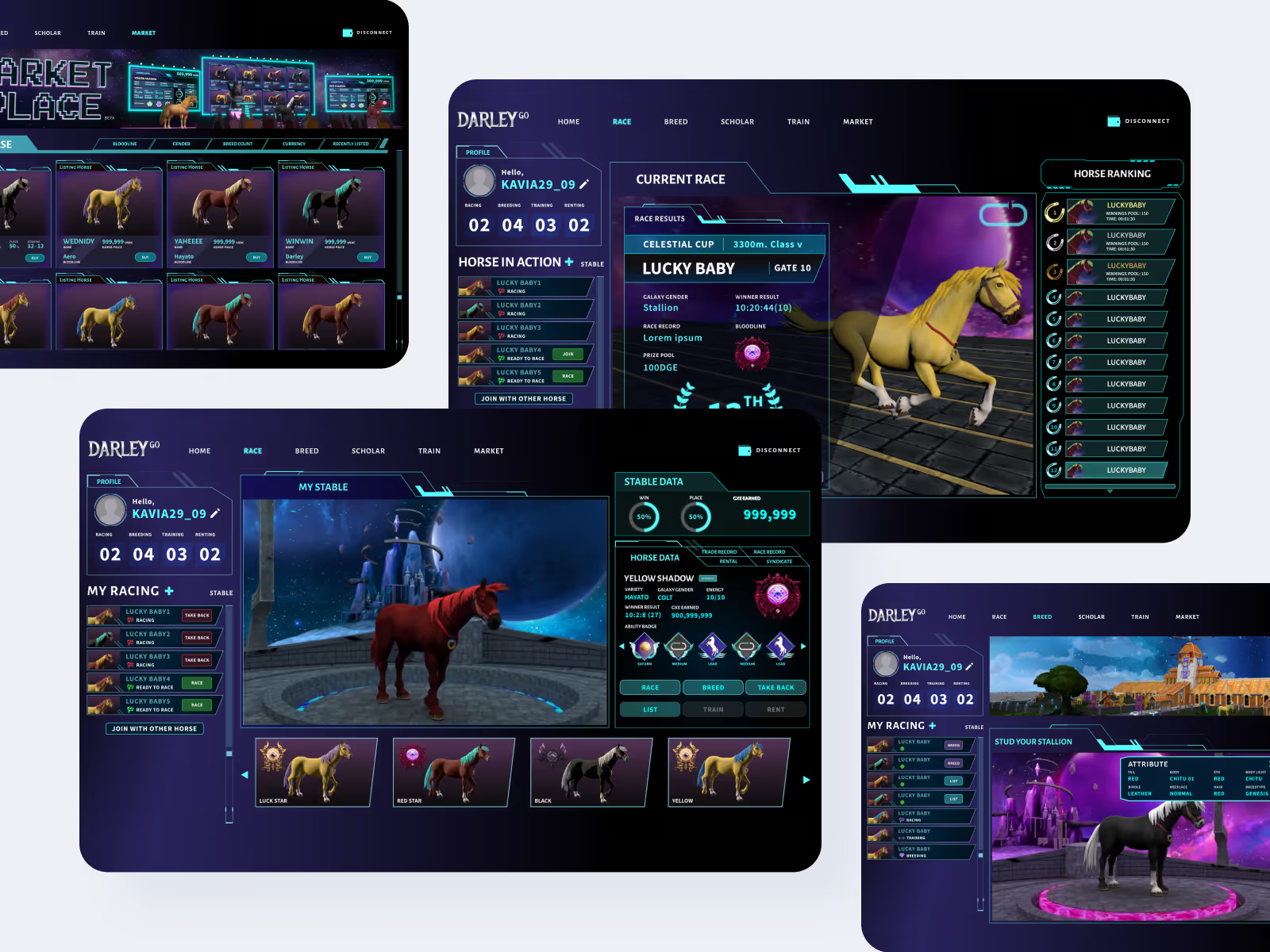
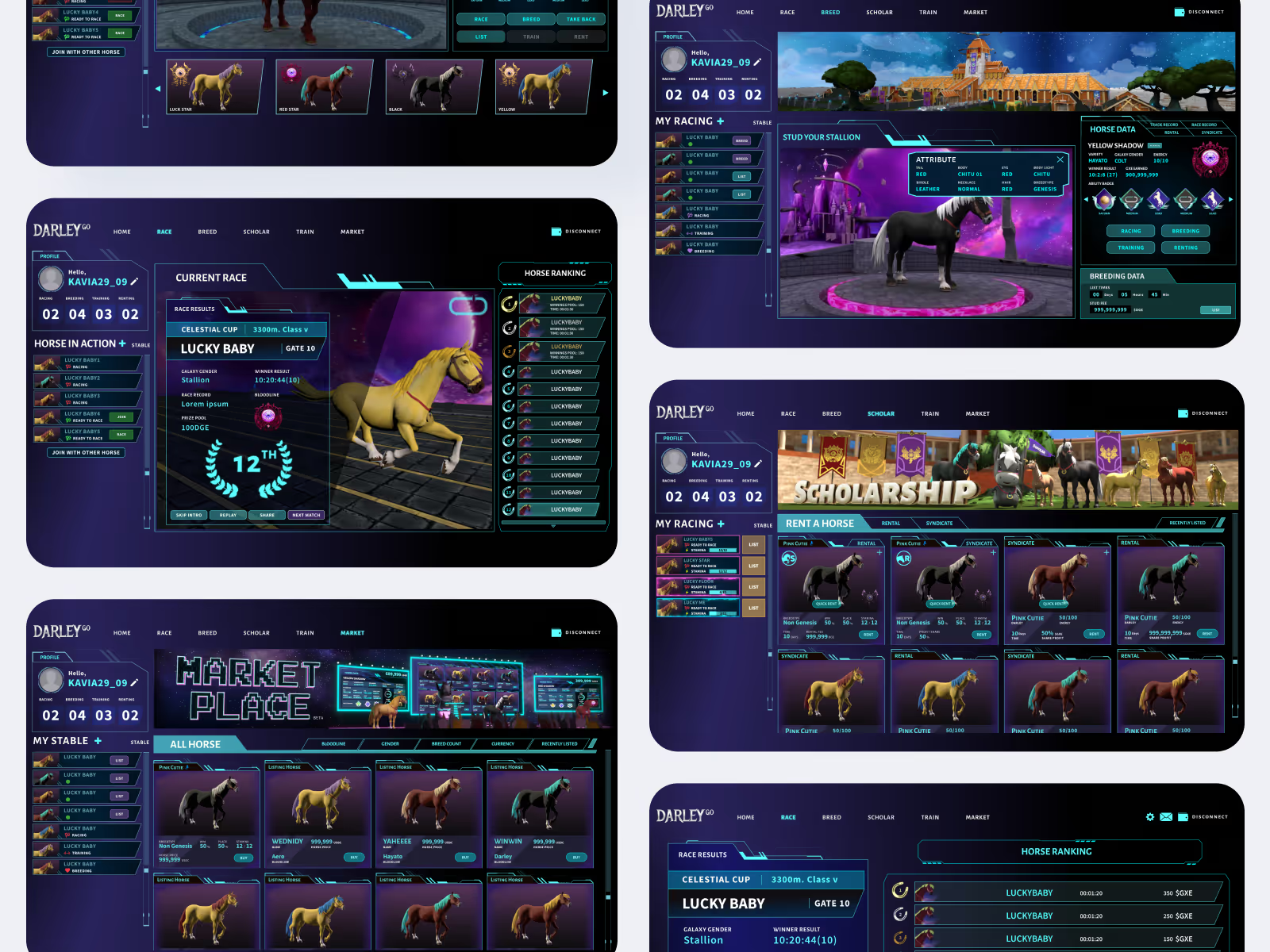
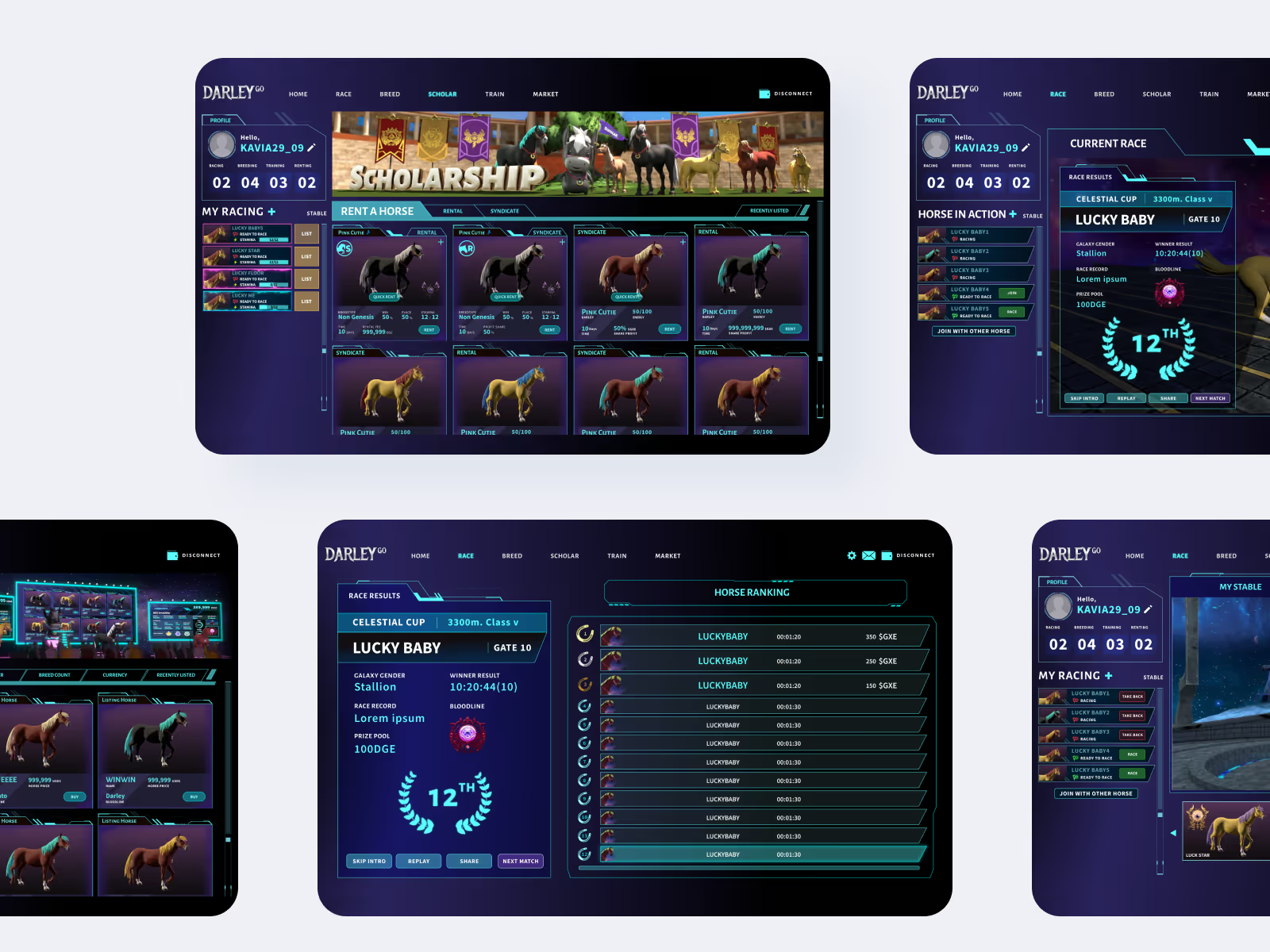
Designed a data-rich marketplace with filtering and comparison-friendly layouts so users can evaluate horses before buying.
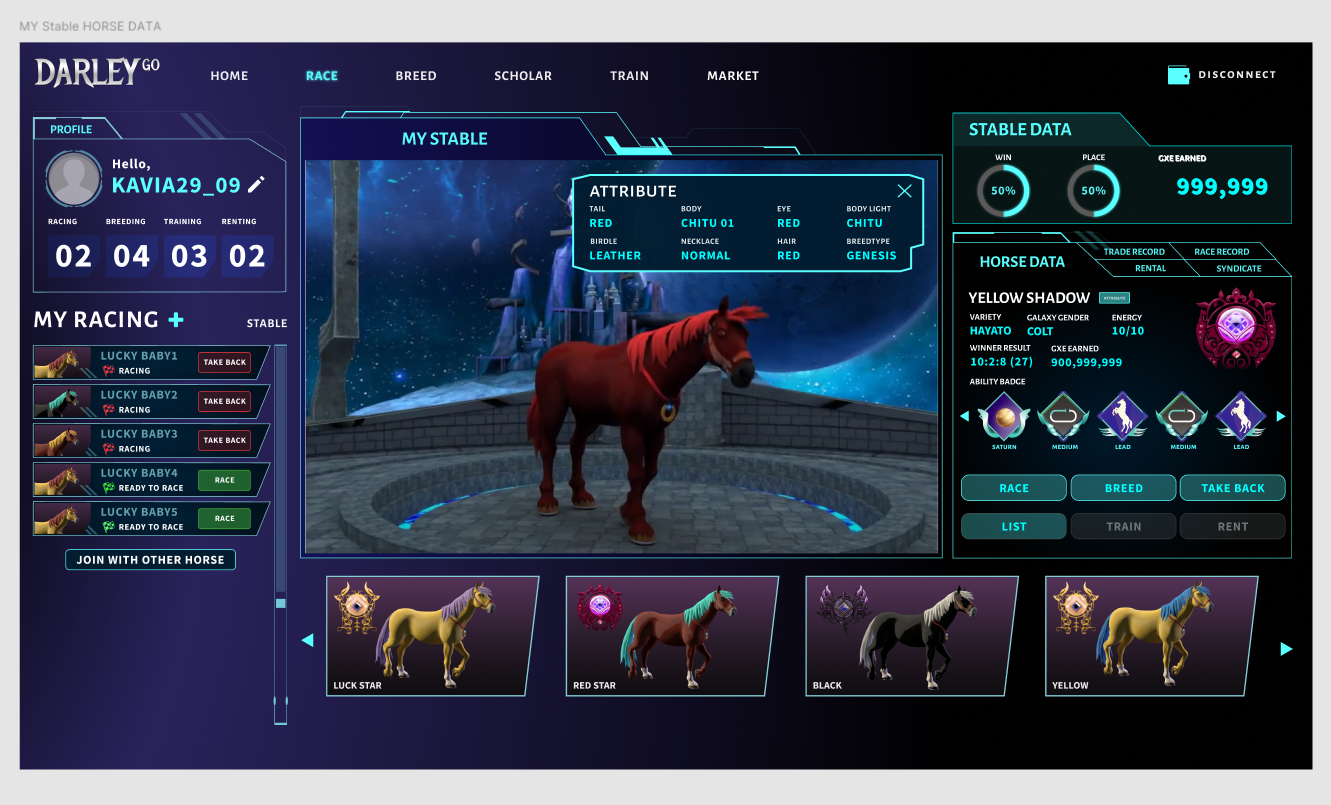
“My Stable” as an asset dashboard
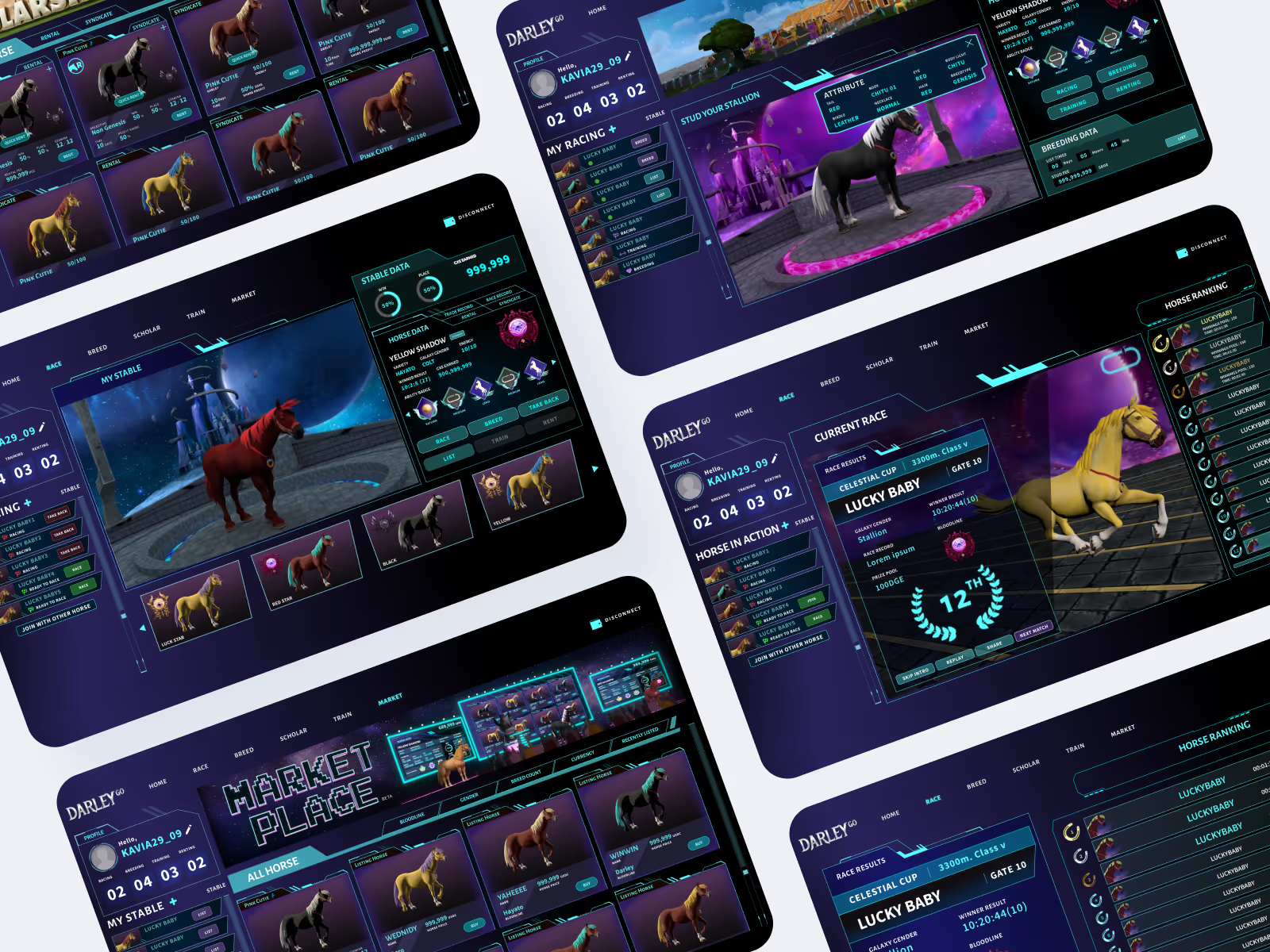
Created “My Stable” as a hub for owned horses and actions like race/breed/train, making NFT ownership feel like a familiar game inventory system.
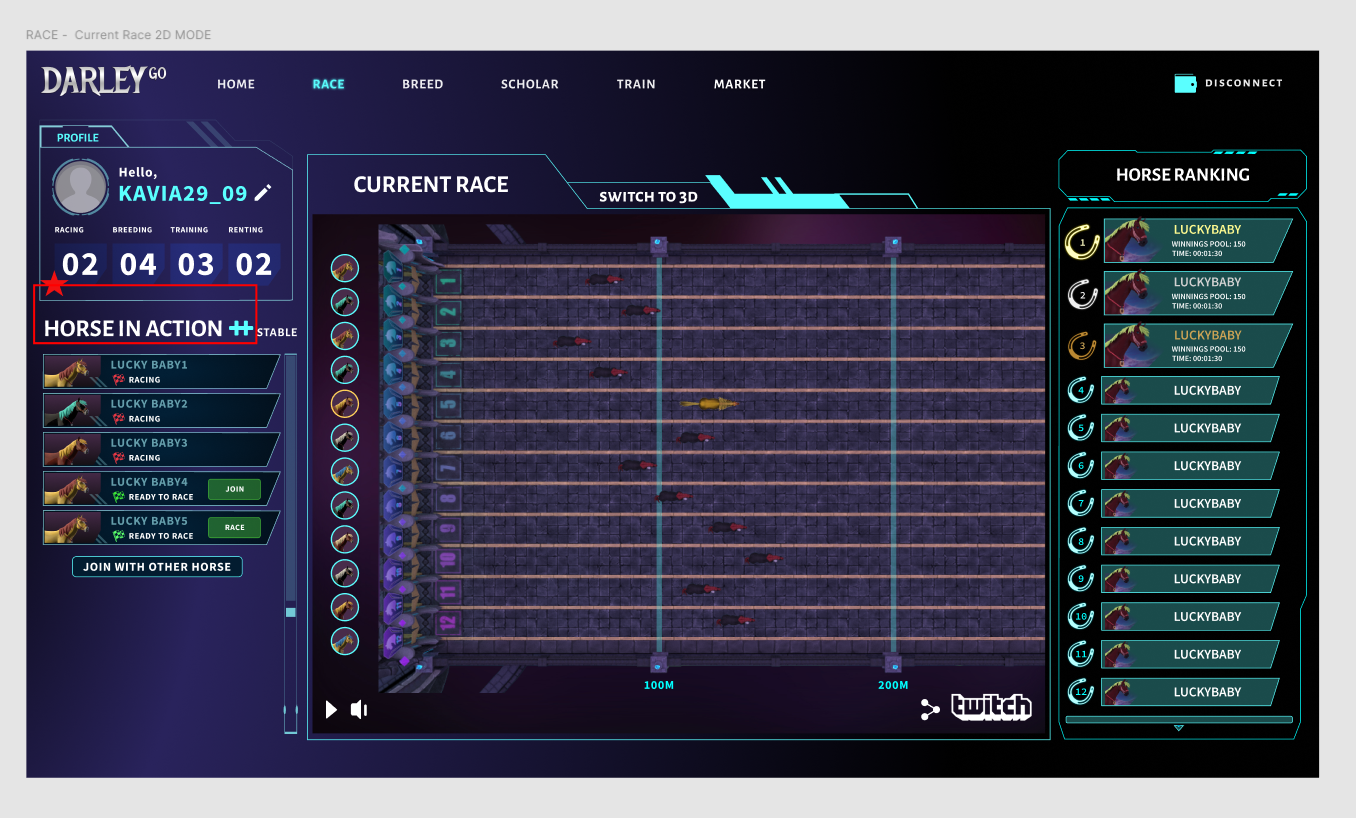
Race results and ranking visibility
Designed race and results views that surface performance, rankings, and outcomes clearly to support competitive loops and progression.
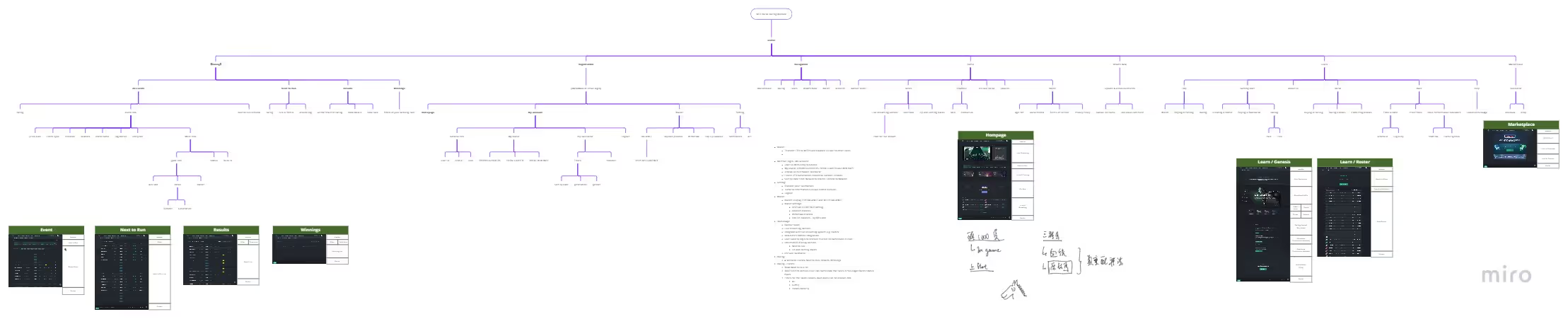
1. Sitemap Architecture:
Structured the complex ecosystem into 5 distinct modules: Race, Breed, Scholar, Train, Market. This ensured users wouldn't get lost between "Playing" (Racing) and "Trading" (Marketplace).
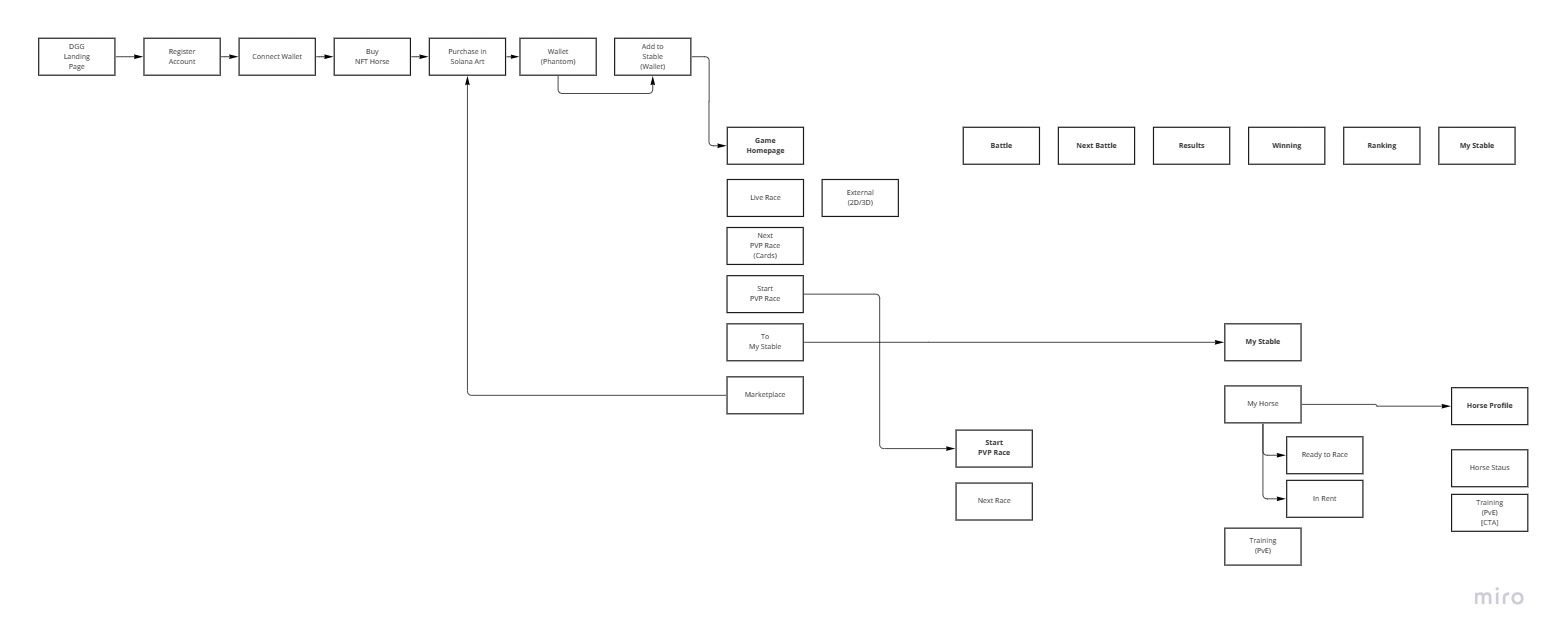
2. Critical Flow Mapping:
Mapped the high-risk "Purchase Journey" (Register → Connect Phantom → Buy NFT → Add to Stable). We intentionally placed the wallet connection *after* registration to reduce initial drop-off.
3. Visual Interface Design:
Developed a "Mythical Sci-Fi" design system (Dark Mode + Neon Accents) to differentiate DarleyGo from the pixel-art style common in other crypto games.

In Web3 gaming, trust and clarity are product features—users need strong guidance at every “money moment” (connect, purchase, confirm, completion).